
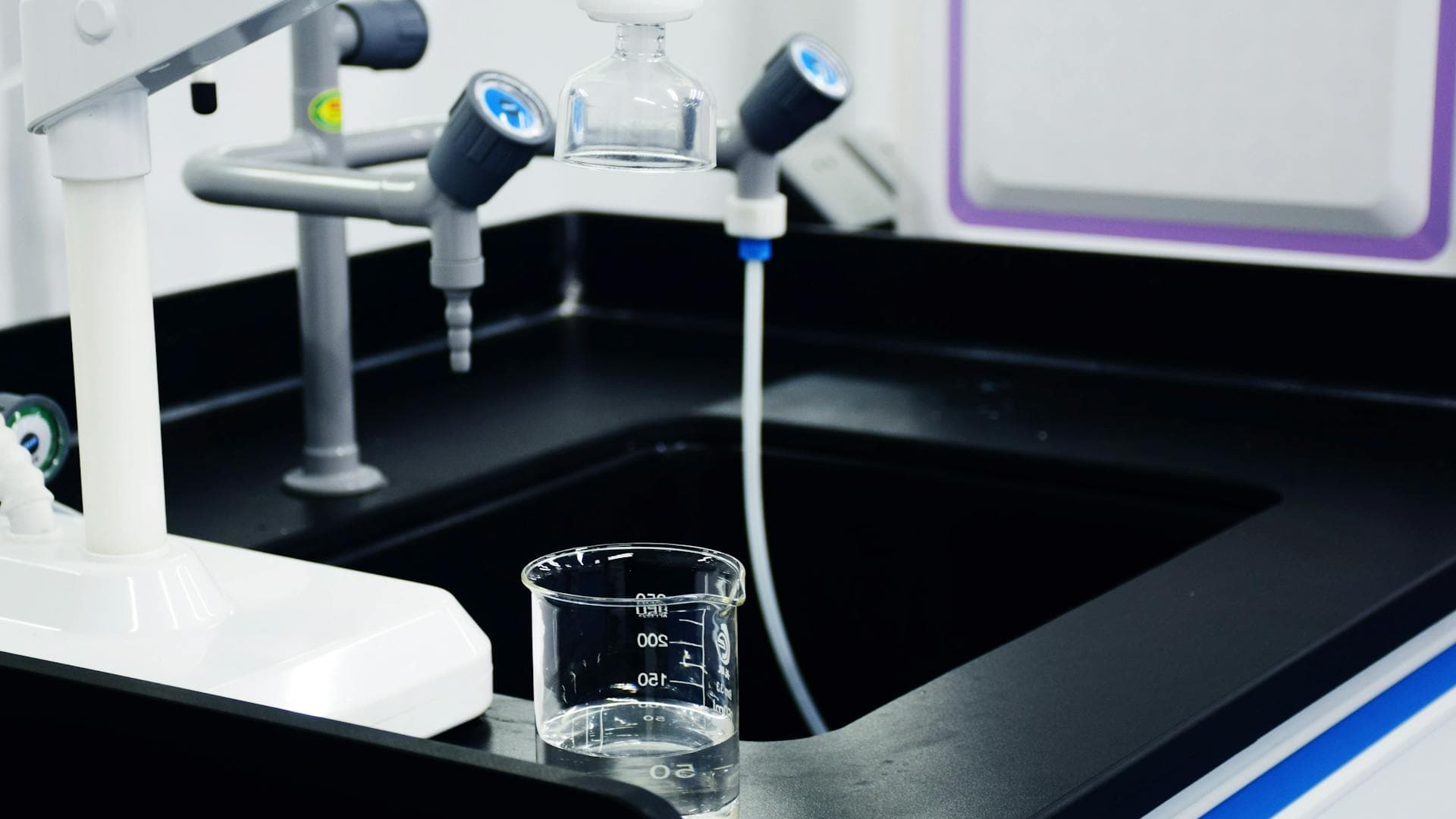
You've had your water tested - great first step! But the report can be confusing if you don't know what the numbers mean. Here's a plain-English guide to the most important metrics.
Total Dissolved Solids (TDS)
TDS measures the total concentration of dissolved substances in your water, measured in parts per million (ppm). The EPA secondary standard is 500 ppm. Below 300 ppm is considered good; below 50 ppm is excellent. Tampa Bay water typically ranges from 200-500 ppm.
Water Hardness
Hardness is measured in grains per gallon (gpg) or ppm. Below 3.5 gpg is soft water; 3.5-7 is moderate; 7-10.5 is hard; above 10.5 is very hard. Most Florida water tests at 15-25 gpg - well into the very hard category.
pH Level
pH measures how acidic or alkaline your water is on a scale of 0-14. Neutral is 7.0. The EPA recommends 6.5-8.5 for drinking water. Slightly alkaline water (7.0-7.8) is generally considered ideal for health and plumbing.
Chlorine
Chlorine is measured in mg/L (or ppm). The EPA allows up to 4 mg/L, but most people can taste chlorine above 1 mg/L. For optimal taste and comfort, filtered water should have 0.0 mg/L of free chlorine.
Iron
Iron is common in Florida groundwater. Above 0.3 mg/L, you may notice reddish-brown staining on fixtures and laundry. Iron also affects taste and can promote bacterial growth in pipes.
What "Safe" Really Means
It's important to understand that "meets EPA standards" means the water won't make you immediately ill - not that it's optimal for daily use. Many contaminants have no enforceable federal limits, and the ones that do are set based on treatment feasibility, not purely on health.
Next Steps
Once you understand your results, a water specialist can recommend the right system for your specific needs. Different contaminant profiles require different treatment approaches.
Need help interpreting your water test results? Our team at Pure Viva is happy to walk you through them. Contact us today to learn more.